AI Skills for Healthcare
Every healthcare organization runs on procedures. Prior authorization follows payer-specific rules. Clinical documentation meets facility-specific templates. Compliance checks reference your policy manual, not a textbook.
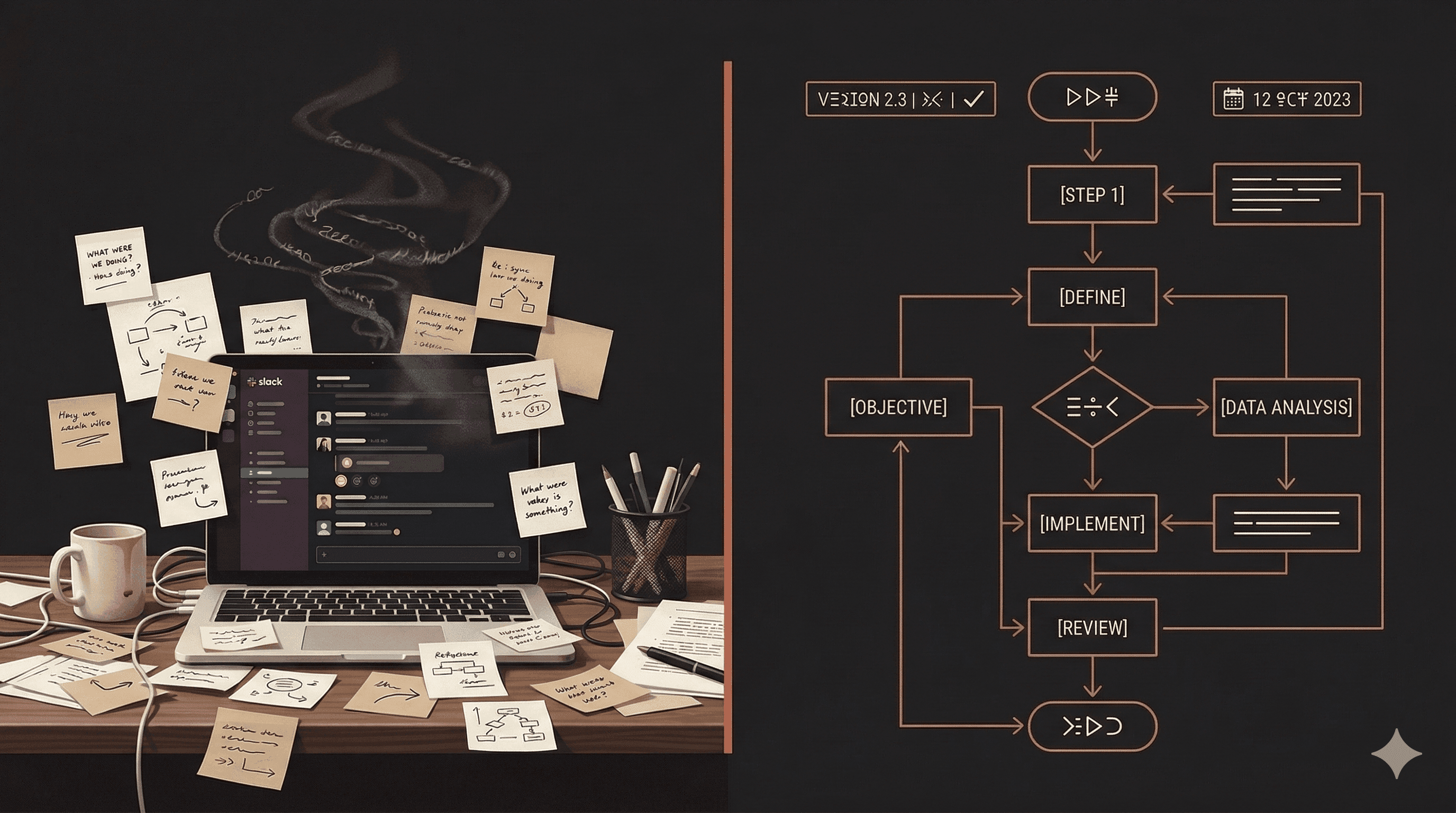
The problem is that these procedures live in people's heads, scattered PDFs, and tribal knowledge. When your best medical coder leaves, their expertise walks out the door. When a new nurse starts, they spend months learning "how we do things here."
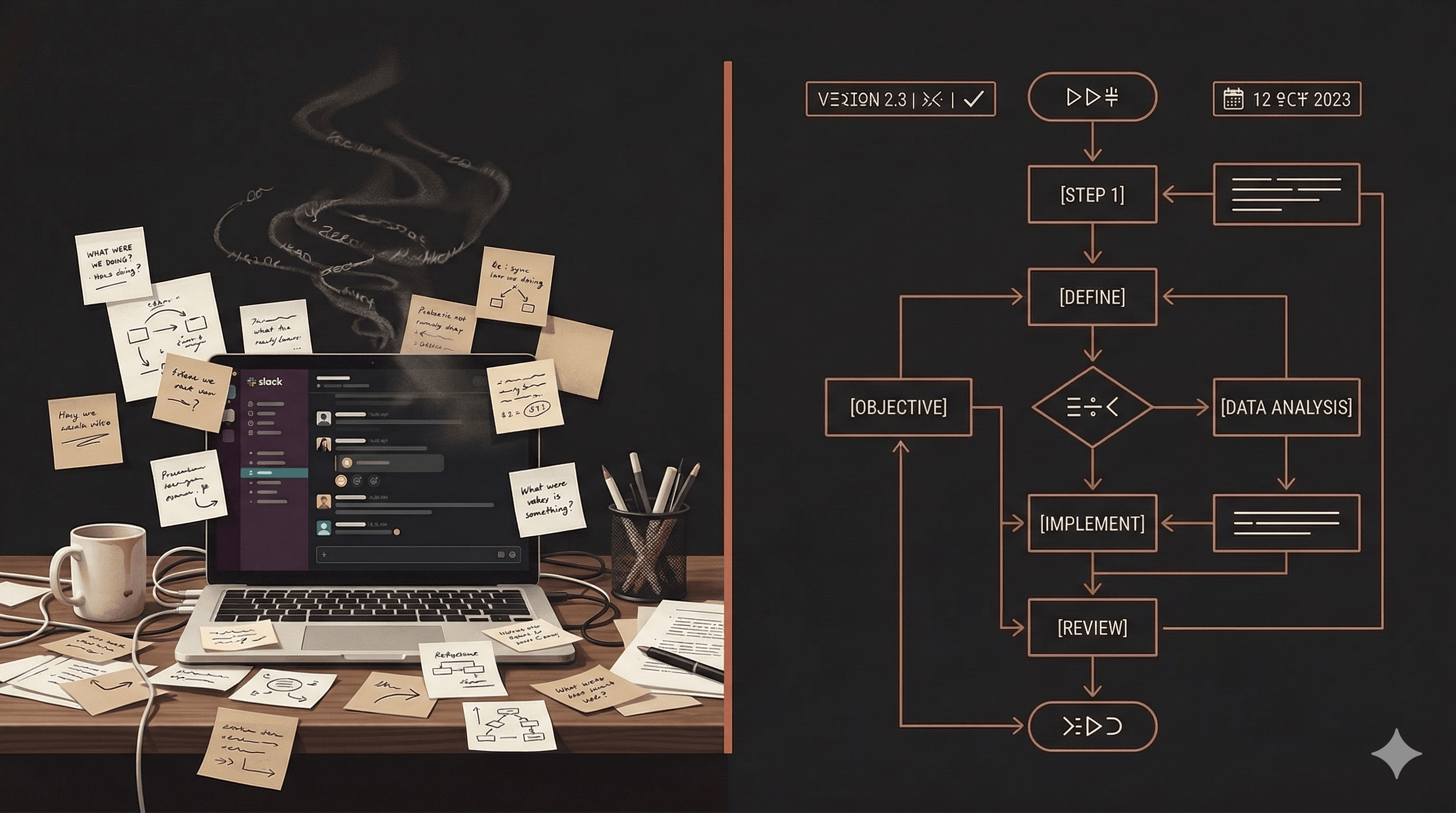
AI skills change this. A skill encodes your organization's specific procedures — your payer rules, your documentation templates, your compliance standards — into a format that any AI tool can use consistently.
What healthcare skills actually do
A healthcare skill is not a medical AI. It does not diagnose patients or replace clinical judgment.
Instead, it handles the structured, procedural work that consumes clinician time:
- Prior authorization: Knows which payers require which documentation, formats letters to each payer's specifications, includes required clinical criteria
- Clinical documentation: Applies your facility's note templates, ensures required fields are populated, flags missing information before submission
- Denial management: Analyzes denial reasons, generates appeal letters with payer-specific arguments, tracks escalation timelines
- Compliance auditing: Checks documentation against regulatory requirements, flags gaps before external audits find them
- Care coordination: Summarizes patient information for referrals using your organization's transfer templates
The key difference from generic AI: skills know your organization's way of doing things.
The prior authorization problem
Consider prior authorization — one of healthcare's most time-consuming administrative tasks.
Without a skill, you ask AI: "Write a prior authorization letter for an MRI."
You get a generic letter that:
- Uses a template no payer actually accepts
- Misses required clinical criteria
- Doesn't reference the correct CPT codes
- Requires 30 minutes of manual editing
With a prior-auth skill, the AI knows:
- Blue Cross requires ICD-10 codes in the first paragraph
- Aetna needs the ordering physician's NPI in the header
- United Healthcare wants clinical necessity documented in their specific format
- Medicare requires ABN documentation for certain procedures
- Your facility uses specific letterhead and signature blocks
The output is ready to submit. Not "close enough" — actually ready.
Example: Clinical documentation skill in action
Here is what a clinical-note-formatter skill produces:
CLINICAL NOTE — Formatted per [Your Facility] Standards
━━━━━━━━━━━━━━━━━━━━━━━━━━━━━━━━━━━━━━━━

Patient: [Redacted]
Visit Type: Follow-up — Cardiology
Date of Service: 03/12/2026
Provider: Dr. Smith, MD (NPI: XXXXXXXXXX)

CHIEF COMPLAINT:
Chest pain, intermittent, 2-week duration

HPI (per facility 8-element template):
Location: Substernal
Quality: Pressure-like
Severity: 6/10
Duration: 5-15 minutes per episode
Timing: Primarily with exertion
Context: Onset after increasing work stress
Modifying factors: Rest relieves; exertion worsens
Associated signs: Mild dyspnea on exertion

ASSESSMENT & PLAN:
1. Chest pain, unspecified (R07.9)
   → Stress test ordered (CPT: 93015)
   → Pre-auth submitted to [Payer] — required per
     their cardiac imaging policy (effective 01/2026)
2. Hypertension, controlled (I10)
   → Continue current regimen

DOCUMENTATION COMPLIANCE:
✓ All 8 HPI elements documented (Level 5)
✓ Medical decision-making: Moderate complexity
✓ Time-based billing criteria met (45 min)
⚠ Missing: Follow-up timeframe — add before signing
Notice what the skill does:
- Applies your facility's specific template structure
- Ensures all required HPI elements are captured for appropriate billing level
- Flags documentation gaps before the note is finalized
- Includes payer-specific pre-auth requirements inline
- Uses your facility's compliance checking rules
How skills handle payer complexity
Every healthcare organization deals with multiple payers, each with different rules. Skills handle this through structured decision logic:
Payer-specific prior auth rules (encoded in a skill):
| Payer | MRI Pre-Auth | Clinical Criteria Required | Turnaround |
|---|---|---|---|
| Blue Cross | Always | Conservative treatment documented (6 weeks) | 5 business days |
| Aetna | Over $2,000 | Peer-reviewed guidelines citation | 3 business days |
| United | Advanced imaging only | InterQual criteria reference | 7 business days |
| Medicare | Per LCD/NCD | ABN on file, medical necessity narrative | 14 calendar days |
A skill carries these rules so your staff does not need to memorize them or look them up each time.
Building your first healthcare skill
Healthcare skills follow the same SKILL.md format as any other skill, but with domain-specific structure:
---
name: "prior-auth-letter-generator"
description: "Generates payer-specific prior authorization
letters using your facility's templates, clinical criteria
requirements, and submission standards."
---

# Prior Authorization Letter Generator

## When to use
- New prior auth request for any procedure
- Re-submission after initial denial
- Expedited/urgent authorization requests

## Your facility's standards
- Always include ordering provider NPI
- Reference ICD-10 and CPT codes in first paragraph
- Attach clinical notes for surgical procedures
- Flag expedited review criteria (72-hour rule)

## Payer-specific rules
[Your payer matrix goes here]

## Output format
[Your facility's letter template]

## Escalation criteria
- Auto-flag denials for peer-to-peer within 24 hours
- Escalate to medical director if second denial
- Track appeal deadlines by payer
You write this in plain English. No code required. The skill encodes your organization's knowledge so any AI tool can apply it consistently.
HIPAA and security considerations
Skills contain procedures, not patient data. Here is how the security model works:
- Skills are knowledge, not data: A skill says "format notes using this template" — it never contains PHI
- PHI stays in your environment: Patient data exists only in your AI tool's context, governed by your existing BAA and security controls
- MCP transport is secure: Skills are delivered over HTTPS with authentication
- Access control: You control which skills are available to which users through your MCP server configuration
- Audit trail: Every skill invocation can be logged for compliance purposes
Your existing HIPAA compliance framework covers the AI tool and data access. Skills add standardized procedures on top of that foundation.
Common healthcare skill categories
Healthcare organizations typically start with skills in these areas:
Revenue cycle
- Prior authorization generation
- Denial appeal letters
- Charge capture validation
- Coding accuracy checks
Clinical documentation
- Note formatting and compliance
- Discharge summary generation
- Referral letter templates
- Care plan documentation
Operations
- Compliance audit checklists
- Policy and procedure formatting
- Staff communication templates
- Quality metric reporting
Patient engagement
- After-visit summary generation
- Patient education materials
- Appointment reminder content
- Care instruction formatting
Getting started
- Browse existing healthcare skills in the healthcare marketplace — many common workflows are already available
- Clone and customize a skill that is close to your needs — adjust it to match your facility's specific standards
- Create from scratch if your workflow is unique — use the skill creation guide to build your first custom skill
- Connect to your AI tools using the setup guide — skills work with Claude, ChatGPT, Cursor, and any MCP-compatible platform
The goal is not to replace clinical expertise. It is to make sure administrative and documentation tasks are done consistently, correctly, and fast — every time, by every person on your team.